

.jpg.2609081709012.webp)
A neighbor tells you a gas furnace is the only way to stay warm in an Arkansas cold snap. Another swears by their new heat pump and lower utility bills. When your own system is limping along, it is hard to know which voice to trust.
From what we see every winter, the “heat pump vs furnace” choice in Arkansas is less about brand loyalty and more about three local realities: our short, swingy winters, some of the lowest electricity rates in the country, and whether your home has access to natural gas. When you look at those factors together, the “right” answer often looks different than what a generic national article suggests.
At Sub Zero Heating & Air Conditioning, we work on heat pumps and furnaces in Arkansas homes every day. We want to walk through how these systems actually behave in our climate so you can choose a setup that keeps your family comfortable without overpaying on equipment or utilities.
How These Two Systems Actually Work
Before we compare options, it helps to understand that heat pumps and furnaces create heat in very different ways.
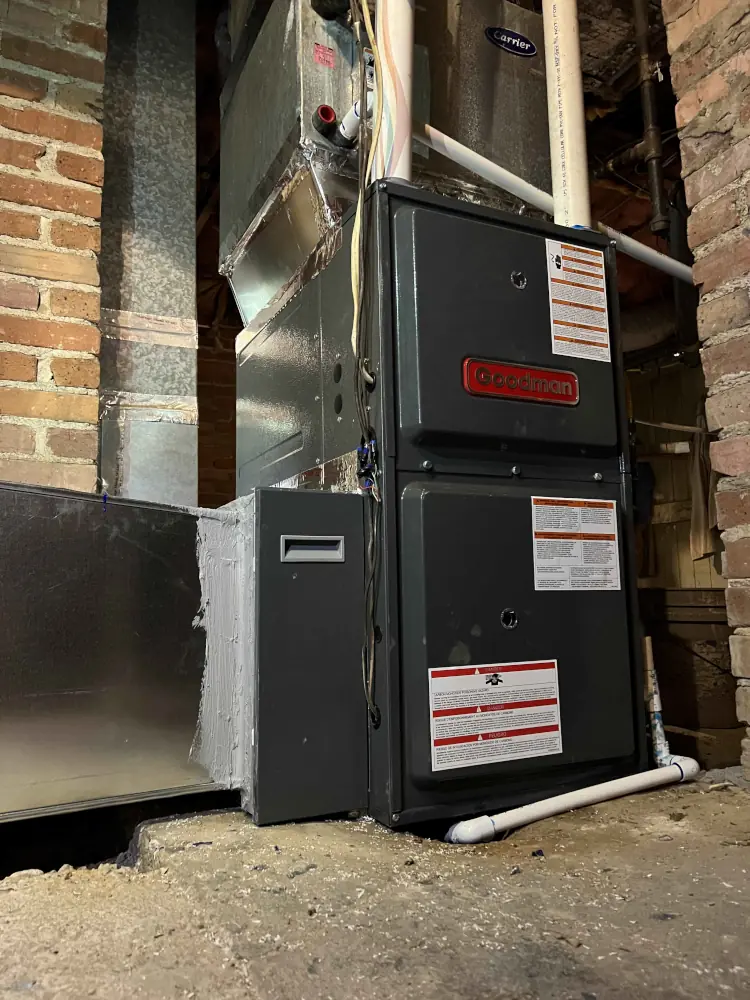
A gas or propane furnace generates heat. It burns fuel, transfers that heat into a metal heat exchanger, then a blower pushes warm air through your ductwork into each room. The efficiency of that process is measured by AFUE, or Annual Fuel Utilization Efficiency, which tells you what percent of the fuel actually becomes usable heat in your home.
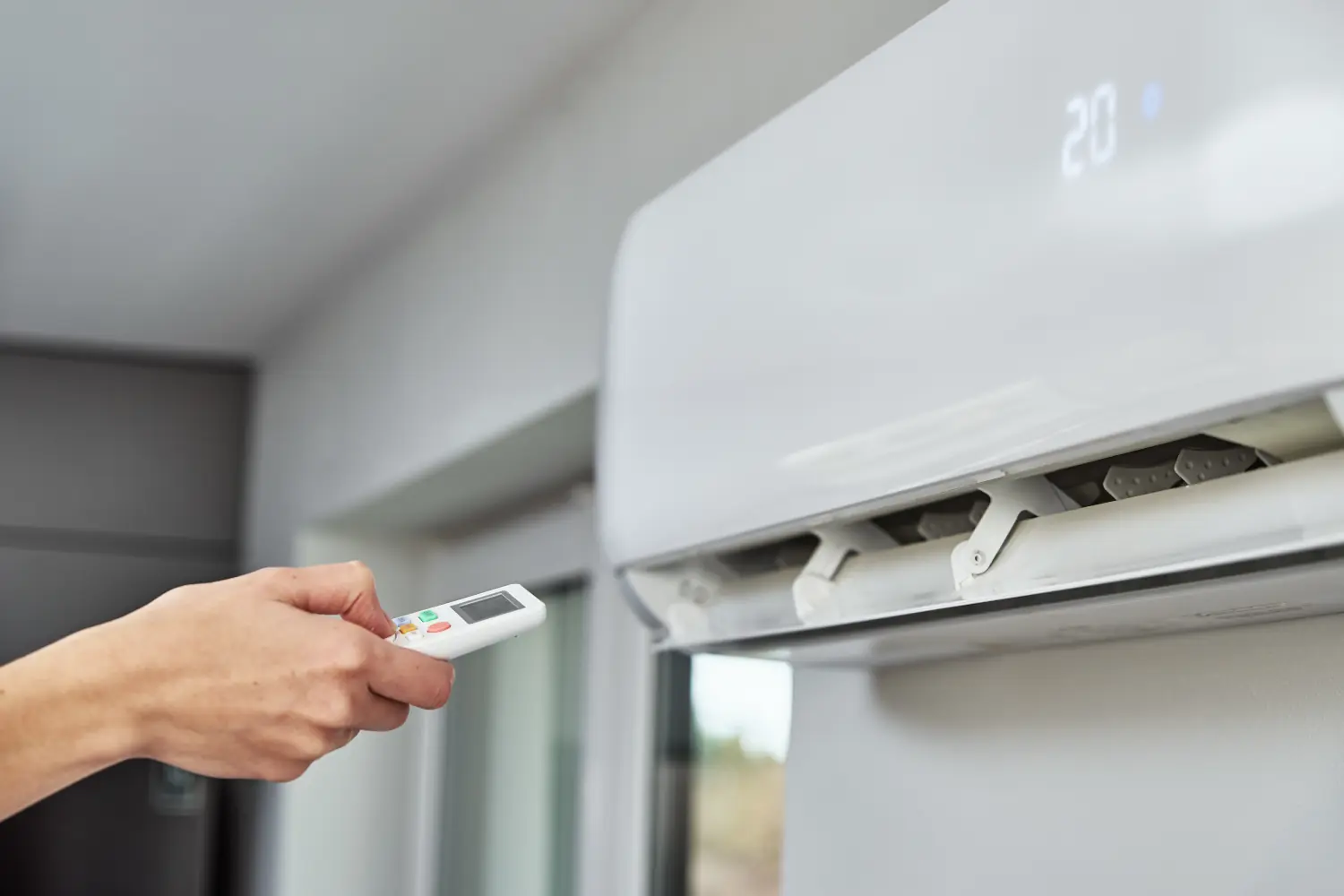
A heat pump does something very different. It uses electricity and a refrigerant cycle to move existing heat from the outdoor air into your home. Even when it feels cold outside, there is still heat energy in the air. The heat pump gathers that heat, concentrates it, and releases it indoors. Because it is relocating heat instead of creating it, a heat pump can deliver 2 to 3 units of heat energy for every unit of electricity it uses. That ratio is called the Coefficient of Performance, or COP.
In summer, the process reverses and the same equipment works as your air conditioner. One outdoor unit and one indoor air handler or furnace cabinet can handle both cooling and heating. With a furnace, you still need a separate air conditioner or heat pump for cooling.
Heat pump heating efficiency is rated with HSPF2 (Heating Seasonal Performance Factor 2), and cooling efficiency with SEER2. In the Southeast region that includes Arkansas, new central systems must meet minimum efficiency levels, such as 15.2 SEER2 and 7.5 HSPF2. Many systems go well above those minimums, especially models with variable-speed or inverter-driven compressors that can modulate output instead of turning fully on and off.
What Arkansas Winters Actually Demand
The biggest misconception we hear is that “heat pumps do not work in cold weather.” That may have been closer to the truth decades ago in northern states, but Arkansas has a very different climate and modern equipment is much more capable.
Most of Arkansas, including Little Rock, has a humid subtropical climate. Winters are short and generally cool, not months of sub-zero cold. Little Rock’s average January high temperature is close to 50°F, and on a typical winter we only see about three days where temperatures stay below freezing all day. Much of the season feels like “heavy jacket in the morning, light sweater in the afternoon” weather.
What we do get are sharp swings when cold Canadian air pushes in and temperatures drop into the teens or low 20s for a night or two. Those cold snaps are real, but they are usually brief. Modern heat pumps, especially variable-speed models, are designed to operate efficiently into the teens, and many “cold-climate” units are rated down to 5°F or even lower. In other words, the days that truly stretch a heat pump are the exception in Arkansas, not the rule.
Access to fuel also matters. Large parts of rural Arkansas, including much of the Delta, the Ouachita region, and remote Ozark communities, do not have natural gas lines at all. In those areas, the realistic choices are usually a heat pump, geothermal system, or a propane furnace. When you pair our mild winter profile with the cost of propane, a well-designed heat pump system often becomes the practical default rather than a niche option.
The Efficiency & Cost Reality for Arkansas Homes
Comfort matters, but most homeowners also want to know which option will be more affordable to run in Arkansas.
Because a heat pump moves heat instead of generating it, it can have a COP around 2 to 3 in our typical winter temperatures. That means each unit of electricity produces 2 to 3 units of heat. A high-efficiency gas furnace with a 96 percent AFUE delivers about 0.96 units of heat for each unit of gas energy you buy.
On paper, the heat pump looks dramatically more efficient. In real life, the operating cost depends on local utility rates. Arkansas residential electricity rates are around 11 to 12.3 cents per kilowatt-hour, roughly 39 percent below the national average. Those low rates tilt the math in favor of heat pumps, especially in the 30°F to 55°F range that makes up most of our heating hours.
If we compare a heat pump operating at a COP of 2.5 with a 96 percent AFUE gas furnace, the heat pump is producing about two and a half times as much heat per unit of input energy. When the electricity price is as low as it is here, that performance often translates to lower monthly heating costs, or at least a very close contest even when natural gas is reasonably priced.
Upfront cost is another piece of the picture. A heat pump system usually costs more than a furnace by itself, but that is not an apples-to-apples comparison. A furnace still needs an air conditioner for summer. The fair comparison is: one heat pump that handles heating and cooling, versus a separate furnace plus an AC. Once you look at it that way, the installed cost for a quality heat pump often comes out similar to or even better than replacing both a furnace and an aging air conditioner.
In rural areas where propane is the fuel source, operating cost differences are often even more pronounced, since propane pricing makes each unit of heat more expensive than natural gas.
The Option Most Guides Skip: The Dual-Fuel System
Most online comparisons frame this as a permanent either-or choice: you are either a “gas furnace house” or a “heat pump house.” For a lot of Arkansas homes with natural gas, the smartest answer is actually both.
A dual-fuel system, sometimes called a hybrid heat pump system, pairs an electric heat pump with a gas furnace. The heat pump serves as your primary heating source during mild and cool weather, typically anything above roughly 30 to 35°F. When outdoor temperatures drop below a set point, the controls automatically switch over to the gas furnace for backup or “emergency” heat.
This setup gives you the best of both worlds. On most winter days, you enjoy the efficiency of heat pump heating, taking advantage of Arkansas’s low electricity rates. On those few nights when temperatures plunge and stay very low, the gas furnace takes over and delivers strong, steady heat without relying on electric resistance strips.
If your home already has a natural gas line and a furnace that is nearing the end of its life, a dual-fuel configuration is often one of the most practical options to consider. It reduces your exposure to swings in either gas or electric prices, improves comfort, and answers any lingering doubts about how a heat pump will behave in the coldest hours of the year.
For homes without natural gas access, a dual-fuel system is usually not practical. In that case, a modern cold-climate heat pump paired with properly sized auxiliary heat strips is often the right path. The heat strips are electric elements that act like a giant space heater inside your ductwork. They provide backup heat only when needed, and a correctly sized and installed system will use them primarily during rare extreme cold, not as an everyday crutch.
What Heat Pump Behavior Looks Like in Cold Snaps
Many first-time heat pump owners get nervous the first time they see or hear certain behaviors in a hard freeze. These are often normal features, not signs of failure.
- Steam rising from the outdoor unit: In a defrost cycle, the system temporarily reverses and runs in cooling mode to melt frost off the outdoor coil. The coil warms, frost melts, and you may see steam rising. That is expected in cold, humid Arkansas air.
- Fan stopping during defrost: The outdoor fan may stop briefly while the unit is in defrost mode. This helps the coil warm up and shed ice faster. The fan will restart once the cycle is complete.
- Cooler air for a few minutes indoors: During defrost, some systems blow slightly cooler air inside for a short period, or they bring on auxiliary heat strips or a furnace to maintain comfort. If the system is correctly designed for your home, you should only notice a small temperature dip, if any.
If you suspect your heat pump is going into defrost too often, running on auxiliary heat more than it should, or not keeping up during reasonable cold, that is a signal to have a professional check sizing, charge, and controls, not proof that “heat pumps do not work here.”
Incentives Available to Arkansas Homeowners Right Now
Rebates and incentives change frequently, and we see a lot of confusion from online articles that are no longer current.
The federal Section 25C Energy Efficient Home Improvement Credit that offered up to $2,000 for heat pumps expired for equipment installed after December 31, 2025. If a source says that credit is still available for 2026 installs, it is out of date.
Arkansas’s Home Energy Rebates Program, sometimes called HEAR or HOMES, has not launched yet as of mid-2026 according to the Arkansas Department of Energy and Environment. It is worth checking their website for updates if you are planning a major upgrade and want to know when that funding becomes available.
Utility rebates are a brighter spot. For example, SWEPCO customers in parts of Northwest Arkansas can currently access incentives up to $3,000 for qualifying HVAC systems. Other utilities have their own programs that may include rebates for high-efficiency heat pumps, efficient furnaces, or smart thermostats. Because these programs change, the safest move is to check directly with your electric or gas provider or ask us to review current options when we quote your system.
Which System Is Right for Your Arkansas Home
So where does this leave you when you have to sign on the dotted line for a new system?
If your home does not have natural gas service, a heat pump is almost always the logical starting point. In Arkansas’s climate, a properly sized standard or cold-climate heat pump can cover nearly all of your heating needs comfortably, with auxiliary heat strips stepping in only for rare extended cold snaps. You get efficient heating and cooling from a single piece of equipment.
If you do have natural gas, the decision is more nuanced. When you already have a relatively new gas furnace, adding a heat pump for cooling and most of your heating can make sense, effectively creating a dual-fuel setup. If both your furnace and air conditioner are aging, it is worth comparing a new furnace plus AC against a dual-fuel package or a high-performance heat pump system. The right call will depend on your current gas and electric rates, how long you plan to stay in the home, and your budget.
Whatever you choose, correct sizing and design are just as important as the equipment label. A Manual J load calculation uses details like your home’s insulation, window quality, square footage, and orientation to determine the right capacity. Oversized systems short-cycle, create hot and cold spots, and wear out faster. Undersized systems struggle in cold snaps and may overuse auxiliary or emergency heat, which drives up bills.
We train our technicians from the ground up to look at the whole house, not just the nameplate on your existing unit. That includes talking through how you use different rooms, any comfort issues you have now, and what matters most to you in terms of noise, humidity control, and long-term operating cost.
Protecting Your Investment for Arkansas Conditions
Whichever direction you go, your new system will last longer and perform better with regular care tailored to Arkansas conditions.
Heat pumps and furnaces both benefit from routine maintenance: cleaning coils, checking refrigerant levels, inspecting heat exchangers, testing safety controls, and confirming that auxiliary or backup heat is set to come on only when it should. In our humid summers and pollen-heavy springs, keeping coils and filters clean also makes a noticeable difference in comfort and indoor air quality.
Our Comfort Club maintenance plan is built around these needs. It is designed to keep your system efficient, catch small issues before they become costly breakdowns, and document proper care for warranty purposes. For many homeowners, that predictable maintenance schedule is the easiest way to protect a major investment in heating and cooling equipment.
In the end, there is no single rule that fits every Arkansas home. Your best choice depends on your fuel access, your house, and your goals for comfort and cost over the long term. If you are weighing a heat pump against a furnace and want a clear, Arkansas-focused recommendation, we are glad to help you compare options and provide a free estimate on new installs. You can reach us at Sub Zero Heating & Air Conditioning at (501) 984-7253 whenever you are ready to talk through what makes sense for your home.